

Introduction
Banking Operational Risks in Africa are being significantly reduced through the transformative power of technology in 2026. As digital adoption surges with mobile money, open banking, and fintech partnerships accelerating traditional risks like process failures, human errors, system downtimes, and fraud are amplified by infrastructure challenges and cyber threats.
Fintech solutions offer powerful tools to automate workflows, detect anomalies early, ensure data integrity, and build resilience. According to recent reports, African financial institutions increasingly treat technology as essential infrastructure for profitability, risk control, and regulatory compliance, with AI adoption focusing on fraud detection (77% priority) and operational optimization (70%). In Nigeria, fraud losses reached ₦52.26 billion in 2024, underscoring the need for tech-driven safeguards.
This post explores key fintech innovations, real African examples, implementation tips, and how they integrate with broader risk strategies.
Understanding Operational Risks in Africa’s Banking Landscape
Operational risks arise from inadequate processes, people, systems, or external events, often leading to transaction errors, reconciliation delays, compliance lapses, or downtime. In Africa, these are heightened by power/internet instability, rapid fintech scaling, and rising cyber incidents.
Fintech bridges these gaps by shifting from manual to automated, predictive, and secure operations. The Central Bank of Nigeria (CBN) emphasizes resilience through frameworks like open banking guidelines and cybersecurity standards, pushing institutions toward redundant systems and AI-enhanced controls.
For foundational strategies without heavy tech reliance, see Operational Risk Management in African Financial Institutions – Strategies to Reduce Process Failures.
Key Fintech Solutions/Impact on Reduction in Banking Operational Risk in Africa
Here are the leading technologies reshaping secure banking operations:
Artificial Intelligence (AI) and Machine Learning AI enables real-time anomaly detection, predictive maintenance, and fraud prevention. It analyzes vast datasets to spot patterns humans miss, reducing false positives in fraud alerts and optimizing back-office processes. African insurers and banks report AI as transformative for fraud detection and efficiency

Robotic Process Automation (RPA) RPA automates repetitive tasks like data entry, reconciliation, KYC verification, and compliance reporting, cutting errors by up to 90% and freeing staff for higher-value work. Combined with AI, it creates hyper automation for end-to-end workflows.

Blockchain and Distributed Ledger Technology Blockchain provides tamper-proof records for transactions, settlements, and smart contracts, minimizing reconciliation risks and settlement failures in cross-border payments vital for Africa’s trade ecosystem.

Cloud-Based Systems and Infrastructure Cloud platforms deliver scalability, redundancy, and disaster recovery, countering local infrastructure issues. They support dual-site setups and real-time backups for uninterrupted services.

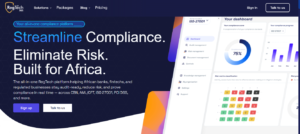
- RegTech and Advanced Analytics Tools automate regulatory reporting, monitor key risk indicators (KRIs), and ensure compliance with CBN directives reducing manual oversight burdens, such as RegTech365
These solutions drive 20–30% efficiency gains while lowering loss events, per industry insights.
Challenges and Best Practices for Adoption in 2026
Adoption hurdles include legacy system integration, skills gaps, and new cyber vulnerabilities. Best practices:
- Start with pilots in high-risk areas (e.g., reconciliation).
- Partner with local fintechs for tailored, compliant solutions.
- Conduct regular stress tests and audits.
- Combine tech with human oversight.
Human factors remain crucial, pair these tools with ongoing education. See How Continuous Training Helps Financial Institutions in Africa Reduce Operational and Cyber Risk for complementary strategies.
Secure your tech stack further with Cybersecurity Best Practices for African Banks in 2026
Conclusion
In 2026, technology, especially fintech innovations, is central to reducing operational risks and enabling secure, efficient banking in Africa. By automating processes, predicting threats, and ensuring resilience, these solutions help institutions navigate digital growth while protecting customers and complying with regulations.
Embracing them positions banks as leaders in a resilient, inclusive financial future.
Related Reading (Risk Management Cluster):
- How Continuous Training Helps Financial Institutions in Africa Reduce Operational and Cyber Risk– Build skilled teams to maximize tech value.
- Operational Risk Management in African Financial Institutions – Strategies to Reduce Process Failures – Core frameworks before tech layering.
- Cybersecurity Best Practices for African Banks in 2026 – Protect innovations from cyber threats.
FAQ
Q1: How does AI specifically reduce operational risks in African banking?
AI detects anomalies, automates tasks, and predicts failures cutting fraud and errors in high-volume environments.
Q2: Is blockchain practical for smaller African institutions?
Yes, cloud-based blockchain tools enable secure, low-cost cross-border and settlement operations.
Q3: What makes RPA effective for risk reduction?
It eliminates manual repetition, reducing human error in reconciliation, KYC, and reporting.
Q4: How do African regulators support tech adoption for resilience?
CBN and SARB guidelines mandate redundancy, testing, and cybersecurity in payments/open banking.
Q5: Does technology replace staff in risk management?
No, it augments them; training ensures proper oversight and optimization.
Q6: What’s the outlook for fintech risk tools in 2026?