
Table of Contents
- Introduction
- The Evolving Cyber Threat Landscape
- 12 Essential Cybersecurity Best Practices
- Why Leadership and Culture Matter
- Conclusion
- FAQ
Introduction
In 2026, cybersecurity best practices for African banks are no longer optional, they’re a core business requirement. With digital banking penetration surging in Nigeria, Kenya, South Africa, Ghana, and across the continent, institutions handle unprecedented volumes of sensitive customer data and digital assets.
The INTERPOL AFRICA CYBERTHREAT ASSESSMENT REPORT 2025 reveals cybercrime now comprises over 30% of reported crimes in Western and Eastern Africa, with losses exceeding $3 billion continent-wide from 2019–2025. Phishing accounts for 34% of incidents, while ransomware and AI-enhanced attacks escalate rapidly.
A single breach can destroy customer trust, trigger regulatory penalties, and cause massive financial damage. This guide outlines proven, Africa-specific cybersecurity best practices to protect your institution proactively.
The Evolving Cyber Threat Landscape for African Banks in 2026
Key threats include:
- AI-enhanced phishing and deep fakes
- Ransomware targeting mid-tier banks and fintechs
- Insider threats (accidental or malicious)
- Business Email Compromise (BEC)
- Supply-chain attacks via third-party vendors
These risks often intersect with operational vulnerabilities, learn more in our guide on how continuous training helps financial institutions in Africa reduce operational and cyber risk.
12 Essential Cybersecurity Best Practices for African Banks in 2026
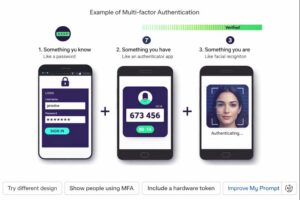
- Enforce Multi-Factor Authentication (MFA) Everywhere: Mandate MFA for all logins and transactions, biometrics are cost-effective in African markets.
- Encrypt All Sensitive Data: Use AES-256 for data at rest/in transit, aligning with CBN and other regulator mandates.
- Prioritize Continuous Employee Training: Human error causes most breaches. Regular phishing simulations and awareness programs are critical. Deep dive to discover how continuous training helps financial institutions in Africa reduce operational and cyber risk through ongoing education and scenario drills.
- Deploy Advanced Threat Detection (EDR & AI Tools) Move beyond antivirus to behavioral analytics for real-time anomaly detection.
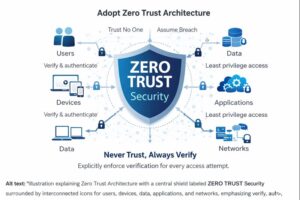
- Adopt Zero-Trust Architecture Verify every user and device continuously, essential for hybrid/remote workforces.
- Segment Networks Strictly Isolate critical systems to limit breach spread.
- Conduct Quarterly Penetration Testing Proactive simulations identify vulnerabilities before attackers do.
- Build Robust Incident Response Plans Include 72-hour reporting as required by most African regulators.
- Vet Third-Party Vendors Rigorously Demand ISO 27001 compliance and ongoing assessments.
- Leverage Africa-Specific Threat Intelligence Use INTERPOL, AFRIPOL, and local feeds for regional insights.
- Secure Mobile Banking Channels Implement app shielding and real-time monitoring. It is vital as mobile dominates African banking.

- Automate Processes with Secure Fintech Solutions Use AI fraud detection and RPA to reduce manual errors.
Explore more: See The Role of Technology in Reducing Banking Operational Risks; How Fintech Solutions Support Secure Operations for practical implementations.
Many of these practices tie directly to stronger operational controls, read Operational Risk Management in African Financial Institutions; Strategies to Reduce Process Failures for complementary strategies.
Why Leadership and Culture Matter
Board-level commitment drives success. Banks with dedicated CISOs and risk-aware cultures experience significantly fewer incidents.
Conclusion
Implementing these cybersecurity best practices for African banks in 2026 creates layered defense that protect digital assets, customer data, and institutional reputation. Combine technology, processes, and people for true resilience.
Related Reading (Strengthen Your Risk Management Cluster):
- How Continuous Training Helps Financial Institutions in Africa Reduce Operational and Cyber Risk: Build a proactive human firewall.
- Operational Risk Management in African Financial Institutions – Strategies to Reduce Process Failures: Minimize errors and downtime.
- The Role of Technology in Reducing Banking Operational Risks – How Fintech Solutions Support Secure Operations: Leverage AI and automation safely.
FAQ
Q1: What is the top cybersecurity threat to African banks in 2026?
AI-enhanced phishing and social engineering.
Q2: How effective is MFA?
Reduces successful attacks by over 99% when properly implemented.
Q3: How often should training occur?
Quarterly minimum, with ongoing simulations.
Q4: What regulations apply?
CBN (Nigeria), CBK (Kenya), SARB (South Africa), and emerging continental standards.
Q5: Is zero-trust feasible for smaller banks?
Yes—cloud solutions make it scalable.
Q6: How can fintech reduce risks?
Through automation and AI detection—details in our technology guide linked above.
 Timothy Daradara